 seolounge





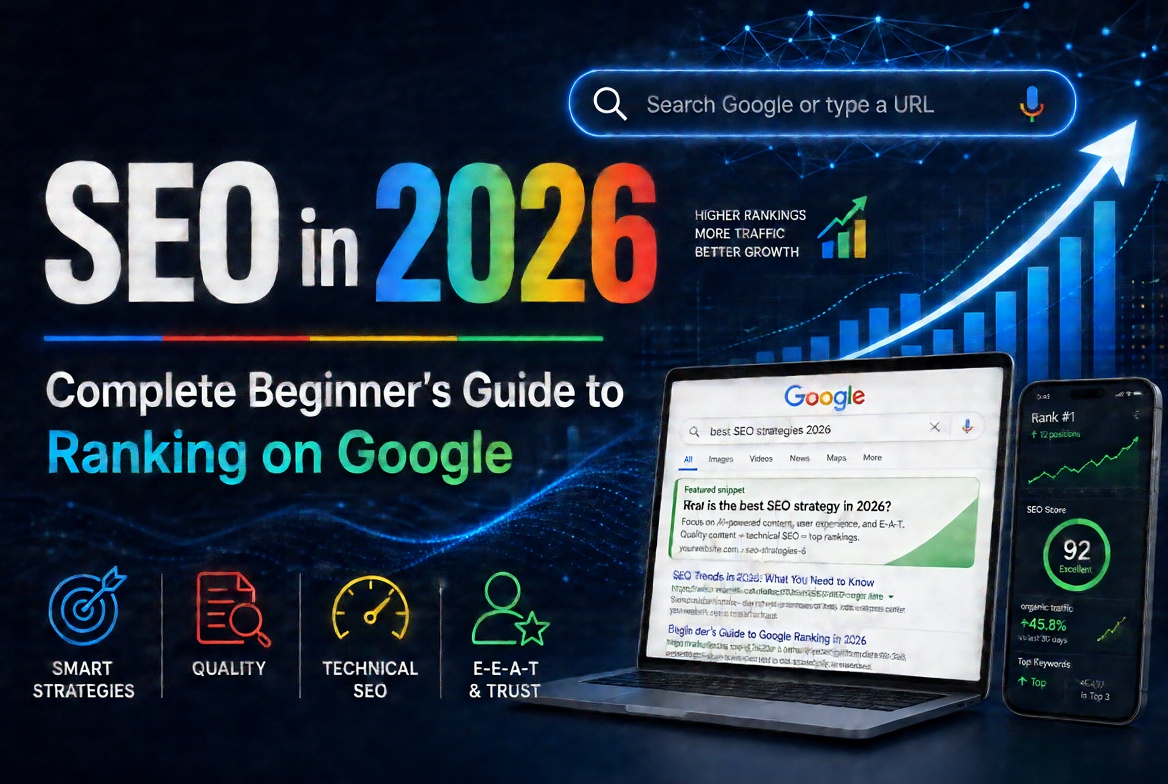
The Future of Search Engine Optimization in 2026: A Comprehensive Introduction for Novices
In today’s digitally driven marketplace, establishing a strong online footprint is critical for enterprises, content creators, and entrepreneurs alike. As we anticipate developments through 2026, SEO—search engine optimization—continues to undergo rapid transformation, influenced by technological innovations, shifts in user preferences, and ongoing updates from Google. For those new to this field, deciphering how to effectively achieve visibility on Google in the coming years may seem overwhelming. This guide seeks to simplify SEO concepts for 2026, providing essential knowledge and actionable tactics to set you on the path to success.
The Changing Landscape of SEO in 2026
A comparison of SEO from ten years ago to today reveals significant evolution. While some traditional methods, such as excessive keyword stuffing and prioritizing backlink volume, still offer value, current SEO practices revolve around relevance, enhancing user experience, and understanding semantics. Google’s increasingly sophisticated AI systems—like BERT and MUM—allow the platform to better interpret user intent, contextual nuances, and complex language patterns.
Major trends influencing SEO in 2026 include:
- Focus on User Experience (UX): Fast-loading sites, mobile friendliness, and intuitive navigation are now foundational ranking factors.
- Voice and Visual Search Optimization: As voice assistants and image recognition tech improve, tailoring content to conversational queries and visual searches is essential.
- Integration of AI and Machine Learning: Content development, keyword research, and data analysis are augmented by AI tools for greater precision and efficiency.
- Core Web Vitals: Metrics such as page load speed, interactivity, and visual stability are deeply embedded within ranking algorithms.
- Personalization: Search results are increasingly customized based on individual user behavior, location, and preferences.
Foundational Concepts Every Beginner Should Know
Before adopting advanced strategies, familiarize yourself with the basics:
- Keywords: Terms and phrases users search for on Google. Focus on words that reflect user intent—be it informational, transactional, or navigational.
- Content Quality: Google favors authoritative, relevant, and well-structured content that directly addresses user queries.
- On-Page Optimization: Refining each webpage with optimized meta tags, headers, and keyword placement.
- Off-Page Authority: Securing reputable backlinks and building your site’s credibility through external references.
- Technical SEO: Ensuring your website’s infrastructure is accessible to crawlers, fast, and secure.
Crafting Your 2026 SEO Approach
- Perform Comprehensive Keyword Analysis
Identify what your target market is searching for by leveraging AI-driven keyword research tools capable of suggesting semantically related terms, niche long-tail keywords, and emerging trends. Prioritize user intent to produce content aligned with exactly what your audience seeks. In 2026, capturing the subtleties of query meaning is more crucial than ever.
- Develop Content Focused on User Needs
Since content remains the bedrock of SEO, invest in creating detailed, engaging, and authoritative material that thoroughly addresses common questions. Use natural language, seamlessly integrate related keywords, and incorporate multimedia elements such as images, videos, and infographics to boost engagement. To optimize for voice search, craft conversational content and target featured snippets.
- Fine-Tune On-Page Components
Organize your webpage elements to enhance both user experience and search engine comprehension:
- Titles and Meta Descriptions: Write compelling, keyword-rich summaries that encourage clicks.
- Header Tags (H1, H2, H3): Structure content logically for improved readability.
- URL Design: Use clean, descriptive URLs that mirror content hierarchy.
- Schema Markup: Implement structured data to help Google interpret your content and display rich snippets effectively.
- Strengthen Technical Foundations
A technically optimized website ensures easier crawling, indexing, and indexing qualities:
- Site Speed Optimization: Compress images, utilize browser caching, and streamline code to ensure swift load times.
- Mobile Compatibility: Make certain your website is fully responsive, providing a seamless mobile experience.
- Security Measures: Transition to HTTPS to promote trust and meet security standards.
- Sitemap and Robots.txt Optimization: Keep these files up-to-date to facilitate efficient crawling.
- Core Web Vitals Monitoring: Focus on optimizing LCP (Largest Contentful Paint), CLS (Cumulative Layout Shift), and FID (First Input Delay).
- Build and Sustain Authority Through Backlinks
Trustworthiness increasingly hinges on the quality of backlinks. Pursue high-authority sites for guest posting, collaborations, and produce exceptional content that earns natural links. Remember—by 2026, the emphasis is on quality over quantity.
- Utilize AI and Automation for Efficiency
Employ AI-powered tools to assist with keyword insights, content enhancement, and performance tracking. Automation streamlines routine tasks and provides data-driven suggestions, enabling you to concentrate on strategic growth initiatives.
- Enhance User Engagement and Experience
Metrics such as dwell time, bounce rates, and engagement signals are more influential in ranking than ever before. Design an intuitive site structure, ensure quick-loading pages, and include compelling calls-to-action to increase visitor interaction duration.
- Optimize for Voice and Visual Search Opportunities
Adapt your content to voice queries by incorporating conversational language and FAQs. For visual search, ensure images are high-quality, appropriately tagged with alt text, and follow best practices for visual SEO.
- Continuously Monitor, Analyze, and Adapt
Regularly assess your SEO progress through analytics platforms like Google Analytics and Search Console. Stay updated on algorithm changes and industry innovations, tweaking your tactics to remain competitive.
Anticipating the Future of SEO in 2026
As AI advancements continue, the distinction between human-generated and machine-generated content diminishes. Personalization will become more precise, underscoring the necessity of user-focused content. Additionally, ethical SEO practices and transparency will become more prominent, aligning with Google’s increasing emphasis on trustworthiness and domain authority.
In Summary
The landscape of SEO in 2026 represents a sophisticated blend of classical principles and cutting-edge technologies. For newcomers, success hinges on mastering core concepts—delivering high-quality, relevant content, optimizing technical aspects, and prioritizing an exceptional user experience—while maintaining agility to new developments. Following this comprehensive overview will establish a solid foundation for improving your Google rankings and cultivating a prosperous online presence amid the evolving digital environment.
Remember, SEO is a sustained endeavor. Patience, ongoing education, and adaptability are your most valuable assets in conquering future search engine challenges.