 seolounge




In the ever-evolving landscape of digital marketing, Search Engine Optimization (SEO) remains a fundamental strategy for improving website visibility and attracting organic traffic. While on-page SEO focuses on optimizing elements within your website, off-page SEO encompasses all activities conducted outside your website to enhance its authority, relevance, and trustworthiness. This comprehensive guide delves into what off-page SEO is, its importance, key strategies, and real-world examples, including how tools like Moz DA and Rush eSEO can support your efforts.
Understanding Off-Page SEO
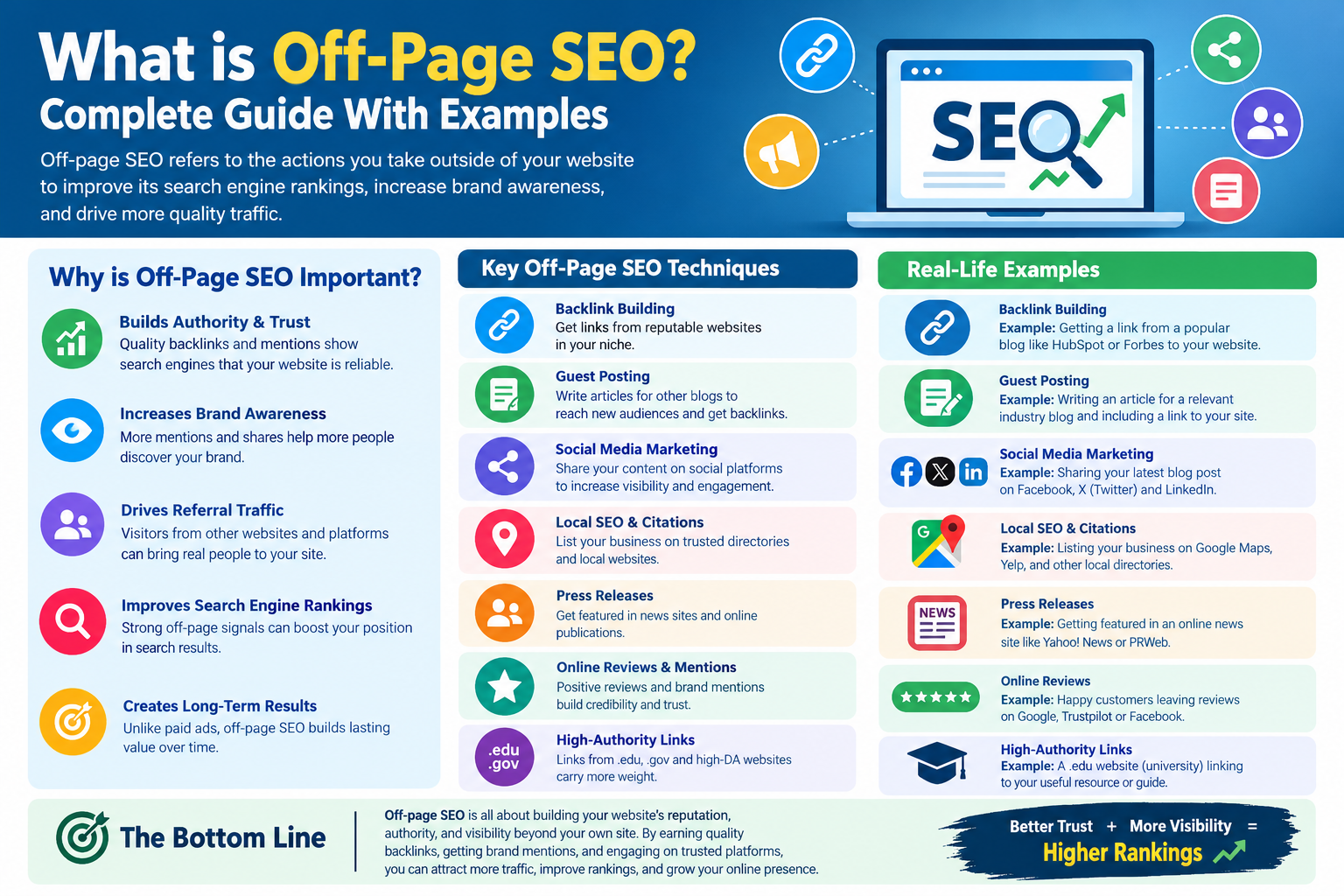
Off-page SEO refers to the external factors and activities that influence your website’s search engine ranking. Unlike on-page SEO, which involves optimizing content, keywords, and site structure, off-page strategies build your site’s reputation and credibility across the web. The primary goal is to demonstrate to search engines that your website is authoritative, reliable, and valuable to users.
Why is Off-Page SEO Important?
Search engines like Google evaluate countless factors to determine a website’s ranking. Among these, off-page SEO plays a crucial role because it signals to search engines how other sites perceive your content. High-quality backlinks, brand mentions, social signals, and industry endorsements not only drive direct traffic but also boost your site’s credibility.
Core Components of Off-Page SEO
- Backlinks (Link Building)
Backlinks, or inbound links, remain the cornerstone of off-page SEO. When reputable websites link to your content, search engines interpret this as a vote of confidence. Not all backlinks are equal; links from authoritative sites carry more weight. - Social Media Engagement
While social signals (likes, shares, comments) are not direct ranking factors, active engagement on social platforms amplifies your content’s reach, fostering backlinks and brand awareness. - Brand Mentions
Unlinked brand mentions still contribute to your website’s authority. When reputable sources mention your brand or website, it signals relevance and trust. - Online Reviews and Reputation Management
Positive reviews on platforms like Google My Business, Yelp, and industry-specific directories bolster your reputation, indirectly impacting SEO. - Influencer Outreach
Collaborating with industry influencers can help generate high-quality backlinks and exposure.
Strategies for Effective Off-Page SEO
1. Building High-Quality Backlinks
The essence of off-page SEO lies in acquiring backlinks from authoritative websites relevant to your niche. Strategies include:
- Guest Blogging: Contributing valuable content to reputable blogs in your industry. This not only earns backlinks but also positions you as an authority.
- Content Promotion: Sharing your content through outreach campaigns, social media, and newsletters to encourage sharing and linking.
- Resource Link Building: Creating comprehensive resources like guides, infographics, or tools that others naturally want to reference.
Example:
Suppose you’re running a digital marketing agency. By producing an in-depth guide on “Effective Content Strategies,” you reach out to marketing blogs and propose contributing guest posts or getting your guide linked as a resource, earning valuable backlinks.
2. Leveraging Social Media Platforms
Promoting your content on platforms like Facebook, Twitter, LinkedIn, and Reddit increases visibility and the chances of earning backlinks and shares. Engaging with industry communities fosters relationships that can lead to collaborative opportunities and mentions.
Example:
A startup shares an infographic on Twitter, tagging industry leaders. Some mention or share it, increasing exposure and potential backlinks.
3. Managing Online Reputation and Reviews
Active reputation management includes encouraging satisfied customers to leave positive reviews on Google My Business and other review sites. Responding promptly to reviews demonstrates engagement and professionalism, which can influence local search rankings.
Example:
A local restaurant responds to reviews, thanking patrons, which enhances its reputation and encourages more positive feedback.
4. Influencer and Partnership Outreach
Partnering with influencers or industry leaders for collaborations, interviews, or content contributions can result in authoritative backlinks and broaden your reach.
Example:
An e-commerce site collaborates with a prominent blogger who reviews their products, linking back to their website.
Measuring Off-Page SEO Success
Evaluating the effectiveness of off-page SEO efforts involves monitoring various metrics:
- Number and Quality of Backlinks: Tools like Moz DA (Domain Authority) and Moz DA scores provide insights into the authority of linking domains.
- Referral Traffic: Analyzing traffic from backlinks and social media signals.
- Brand Mentions and Shares: Tracking how often your brand is mentioned across the web.
- Search Engine Rankings: Observing improvements for targeted keywords.
Practical Tools to Support Off-Page SEO
Moz DA (Domain Authority)
Moz DA is a widely recognized metric that predicts how well a website will rank on search engine result pages (SERPs). Ranging from 1 to 100, higher DA scores indicate more authoritative websites. When building backlinks, targeting sites with high Moz DA enhances the quality of your off-page SEO.
Example:
If you acquire a backlink from a website with a Moz DA score of 75, it significantly boosts your site’s authority compared to a link from a site with DA 30.
Rush eSEO
Rush eSEO is an industry-standard SEO tools suite that offers comprehensive analytics for keyword tracking, backlink analysis, and competitor research. It enables marketers to identify backlink opportunities, monitor link quality, and strategize outreach.
Example:
Using Rush eSEO, you can analyze competitors to discover where they earn backlinks and replicate those strategies ethically, giving your off-page SEO campaign a significant edge.
Common Mistakes to Avoid in Off-Page SEO
- Building Low-Quality or Spammy Links: Such links can harm your site’s reputation and lead to penalization.
- Ignoring Content Quality: Focusing solely on backlinks without high-quality content can limit long-term success.
- Neglecting Relevance: Acquiring backlinks or mentions from unrelated industries diminishes their effectiveness.
- Overlooking Social Signals: Social media engagement is vital; ignoring it can cause missed opportunities.
Conclusion
Off-page SEO forms an integral part of a holistic SEO strategy. Its focus on building website authority through backlinks, social engagement, brand reputation, and influencer collaborations directly influences search engine rankings. Tools like Moz DA help quantify the quality and potential impact of backlinks, while platforms like Rush eSEO streamline the process of competitor analysis and link building.
A consistent, ethical approach grounded in high-quality content and meaningful relationships will yield the best results. Remember, off-page SEO is a marathon, not a sprint; patience and persistence are key to establishing a strong online presence that ranks prominently and sustains long-term growth.
By understanding and effectively implementing off-page SEO strategies, your website can achieve higher visibility, increased organic traffic, and a robust digital reputation—empowering your brand to thrive in competitive online markets.